
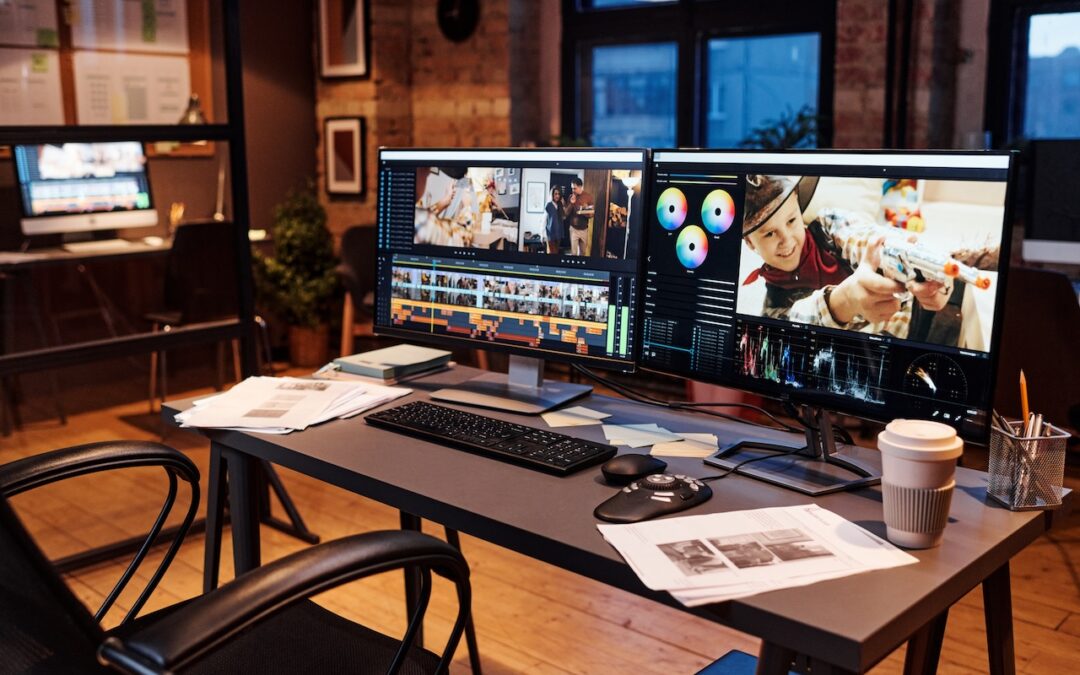
From Concept to Final Cut: How Video Production and Editing Bring Stories to Life
In today’s digital world, video has become one of the most powerful ways to communicate ideas, tell stories, and connect with audiences. But impactful video content doesn’t happen by accident—it’s the result of a structured process that combines strategy, production, and editing into one cohesive effort. From the earliest concept to the final cut, every stage plays a critical role in shaping how your message is delivered and received.
As emphasized by insights from ASMG Production, successful video production is about more than just capturing footage—it’s about aligning creative vision with purpose to create content that resonates and performs.
Understanding the Full Scope of Video Production
Video production is a comprehensive process that includes everything from initial planning to final delivery. It involves developing concepts, writing scripts, organizing logistics, filming, and ultimately editing the footage into a finished product.
This process is typically broken into three main stages:
Pre-Production is where ideas take shape. This phase includes concept development, scripting, storyboarding, and scheduling. Proper planning ensures that production runs efficiently and that the final video aligns with your goals.
Production is the execution phase. Cameras roll, lighting is set, audio is captured, and the creative vision begins to come to life. Every detail—from camera angles to sound quality—contributes to how the story will be perceived.
Post-Production is where everything comes together. Editing, sound design, color correction, and graphics transform raw footage into a polished final product that communicates clearly and effectively.
This structured approach ensures that video is not just visually appealing, but also purposeful and impactful.
Behind the Scenes: What It Takes to Capture Great Footage
A professional video shoot is far more complex than it may appear. Behind every finished video is a coordinated effort involving planning, technical setup, and creative direction.
Before filming begins, teams focus heavily on pre-production to ensure everything runs smoothly. This includes organizing equipment, scouting locations, and preparing talent. During filming, professionals manage lighting, audio, and camera composition to capture footage that supports the overall story.
According to ASMG Production’s behind-the-scenes insights, this preparation is essential for achieving high-quality results. Without it, production can quickly become inefficient or misaligned with the project’s goals.
On set, every shot is intentional. Lighting sets the mood, camera framing guides attention, and audio ensures clarity. These elements work together to create a strong visual foundation for the story.
The Power of Editing in Video Production
While filming is crucial, editing is where the story truly takes shape. Post-production is often described as the stage where raw footage is transformed into a cohesive narrative—and for good reason.
Editing is not simply about cutting clips together. It is about shaping the story, controlling pacing, and guiding the viewer’s emotional experience. As industry experts note, every cut, transition, and sequence plays a role in how a story unfolds and how it is perceived.
Through editing, creators can:
- Build narrative structure and flow
- Enhance emotional impact through timing and pacing
- Improve clarity by removing unnecessary content
- Add music, sound effects, and graphics for depth and engagement
Post-production also includes color grading, audio mixing, and visual effects—all of which contribute to a polished and professional final product. These elements ensure consistency, reinforce branding, and elevate the overall viewing experience.
As highlighted in ASMG Production’s post-production insights, editing is where a video truly becomes what it was intended to be.
Why Editing Is the Backbone of Visual Storytelling
Great storytelling doesn’t happen by chance—it’s crafted. Editing is often referred to as the “invisible art” because when done well, it goes unnoticed while still shaping the entire viewer experience.
A well-edited video guides the audience seamlessly from one moment to the next, maintaining engagement and clarity. It determines how long a viewer lingers on a scene, when tension builds, and when resolution occurs.
In many cases, editing can elevate even simple footage into something powerful. Conversely, poor editing can weaken even the most visually stunning shots. This is why professional editing is such a critical investment in video production.
Ultimately, editing is where visuals, sound, and narrative come together to form a complete and compelling story.
Video Production and Editing as a Strategic Tool
When approached strategically, video production and editing become powerful tools for communication and marketing. Video is not just about visuals—it’s about delivering a message in a way that is engaging, memorable, and effective.
Businesses use video to:
- Build brand awareness
- Explain products or services
- Share customer stories and testimonials
- Educate and inform audiences
Because video combines multiple forms of communication, it allows brands to connect with audiences on both a logical and emotional level. This makes it one of the most effective formats for storytelling and engagement.
Tips for Creating Effective Video Content
Final Thoughts
Video production and editing are more than technical processes—they are creative disciplines that work together to bring stories to life. From initial planning to final delivery, each stage contributes to how your message is communicated and experienced.
By investing in professional production and thoughtful editing, businesses can create video content that not only captures attention but also builds connections, strengthens brand identity, and drives meaningful results.